01 Read
What happened
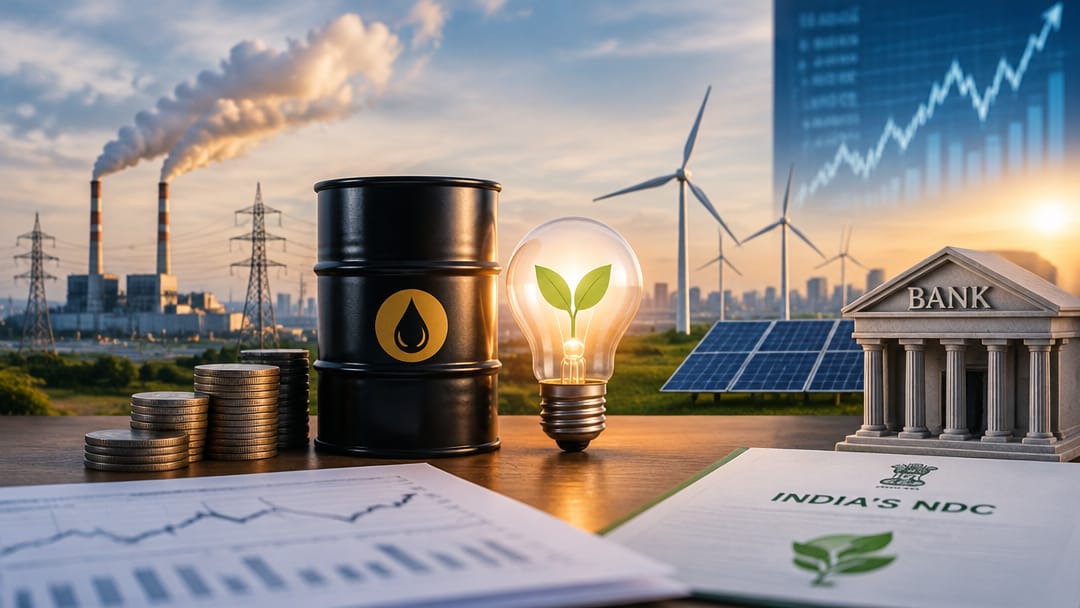
A research study finds that fuel prices and macroeconomic variables such as GDP growth and inflation jointly influence electricity demand, the share of renewables versus fossil fuels in the generation mix, and corporate financial risk in the energy sector. As economies transition away from fossil fuels, these linkages create transmission channels through which energy-sector volatility can affect bank balance sheets, green finance flows, and sovereign climate commitments including India's NDC targets.
02 Understand
Why it matters
This study sits at the intersection of energy economics and financial stability — a nexus that is increasingly central to exam syllabi for RBI Grade B and UPSC CSE.
**The core mechanism:** Fuel price shocks (oil, coal, gas) alter the relative cost of thermal versus renewable electricity generation. When fossil fuel prices spike, renewables become comparatively cheaper, accelerating the transition. When macro conditions deteriorate (recession, high inflation), electricity demand falls and investment in new capacity — especially capital-intensive solar and wind — contracts. This creates a feedback loop where macroeconomic instability delays decarbonisation.
**Why this matters for banking:** Energy companies carry stranded-asset risk (fossil-fuel plants that become uneconomical before their useful life ends) and transition risk (regulatory changes repricing carbon-intensive assets). These risks migrate onto bank balance sheets through loans and bonds. The RBI's 2023 Report on Currency and Finance flagged climate-related financial risk as a systemic concern, and its discussion paper on climate risk disclosure (2024) asked banks to begin scenario analysis.
**India-specific linkage:** India's NDC commits to 500 GW of non-fossil electricity capacity by 2030 and net-zero by 2070. NABARD's Climate Change Fund and the RBI's priority-sector lending guidelines for renewable energy are the institutional channels through which this transition is financed. Fuel-price volatility — especially coal price swings — directly affects the viability of this transition financing.
**Green finance instruments:** Green bonds, sustainability-linked loans, and the RBI's green deposit framework (2023) are designed to channel capital toward the energy transition while managing the macro-financial risks the study identifies.
Remember + Why it matters
The key recall facts and exact examiner angle for UPSC CSE are in the Crux app.
01
Key figure and date from this topic
02
Specific number or threshold to remember
03
Policy or regulatory implication
Read + Understand free forever · 30-day free trial