01 Read
What happened
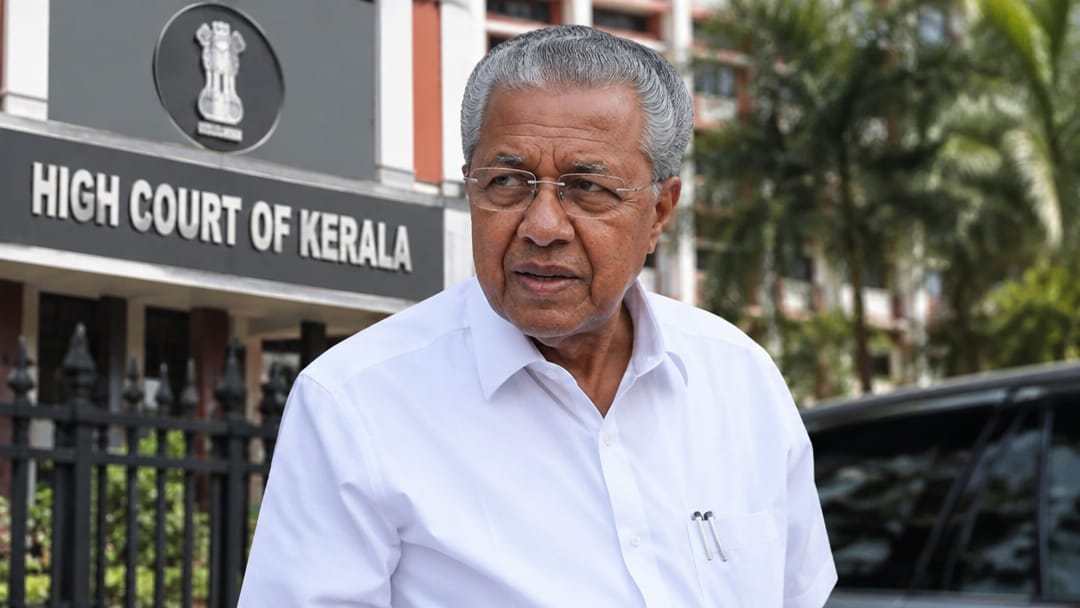
The Kerala High Court on October 26 stayed the FIR registered against former Chief Minister Pinarayi Vijayan, his daughter Veena T., and others in connection with the CMRL-Exalogic controversy. The case involves alleged irregularities linked to a software contract awarded by Cochin Metro Rail Limited. The stay halts the police investigation pending further hearing. The court's intervention raises core questions about the High Court's power to quash or stay FIRs under its inherent jurisdiction.
02 Understand
Why it matters
This case turns on a High Court's power to stay or quash an FIR under Section 482 CrPC (now Section 528 BNSS), which preserves the inherent jurisdiction of the High Court to prevent abuse of process or secure ends of justice. This power is extraordinary and sparingly used — the court does not ordinarily interfere with a police investigation at the FIR stage.
The Supreme Court in State of Haryana v. Bhajan Lal (1992) laid down an exhaustive set of categories where HC can quash an FIR: when the allegations do not constitute an offence, when the case is manifestly absurd or improbable, or when the FIR is filed with a mala fide intent. The Kerala HC's stay suggests prima facie satisfaction that the case may fall within one of these categories.
For exam purposes, the critical distinction is between staying an investigation (interim relief) versus quashing the FIR entirely (final relief). A stay is protective — it preserves status quo while the matter is heard. Quashing is final and requires a higher threshold of prima facie case for abuse of process.
The case also engages Section 439 CrPC on bail conditions and the constitutional guarantee of personal liberty under Article 21, since continued investigation can itself be coercive. When a prominent political figure and a family member are co-accused, courts must guard against using the criminal process as a tool of political harassment — a concern the SC has noted in several recent bail and FIR-quashing rulings.
Remember + Why it matters
The key recall facts and exact examiner angle for CLAT PG are in the Crux app.
01
Key figure and date from this topic
02
Specific number or threshold to remember
03
Policy or regulatory implication
Read + Understand free forever · 30-day free trial